




by Nancy E. Hassel, LIPetPlace.com
Shelter Misconceptions
What is the average Long Island animal shelter misconception? To the layman or non-dog owner, most people think they are just loaded with pit bulls or labrabulls, and that is it. While at each shelter you will see both of the above, if you actually go to your town municipal shelter you may be surprised to see a lot of the smaller designer mutts and purebred dogs of every breed. Just recently at the Town of Islip’s adopt-a-thon there were at least 15 – 20 small to medium size dogs, if not more, of all breeds. Our shelters on Long Island are overflowing with dogs, it’s really quite sad. Where do all these dogs come from someone asked? Some are strays, and more than most are turned-in by their owners – discarded like yesterday’s garbage, someone else’s problem now. No one wants to think about that, or how lazy a person can be not giving that animal a chance. Many dogs are turned in because of a behavioral problem like not being fully house broken, or a 6-month old puppy that is chewing, duh!
Another shelter misconception is that all the animals there are unruly, not trained, aggressive or sick. Many of our municipal and private shelters have amazing volunteers that give their time to help walk, socialize and do a bit of training with the pets housed there. These wonderful volunteers, many times make the difference that pet needed, and helps them get adopted quicker. If a pet is sick, the majority of our shelters vet the pets, give them the necessary vaccinations and medical attention that animal needs.
So what is your shelter misconception? If you ‘re thinking about getting a dog and feared going to the shelter because it’s too sad or for any of the above reasons, I challenge you to go to your local shelter and see what it is really like. You might just fall for a beautiful pit bull with an amazing personality, and surprise yourself. Or find that mutt that captures your heart.
Suggestion: Take the time to meet a few of the dogs’ in the shelter’s meet and greet rooms, instead of just walking the isles. Many dogs’ personalities shine through better when out of their kennel run. If the shelter has a volunteer staff, ask them about the dog, what they are like, behavior etc. – they will be able to tell you.
Did you know: That black dogs and older dogs are the most likely to not to get adopted, to get passed by, to possibly not make it out of the shelter. Now think if that dog is black, is part or full pit bull and 4 or 5 years old, not good odds. Adopting and older dog, and a black one, could be the best thing you ever do!

By Nancy E. Hassel, LIPetPlace.com
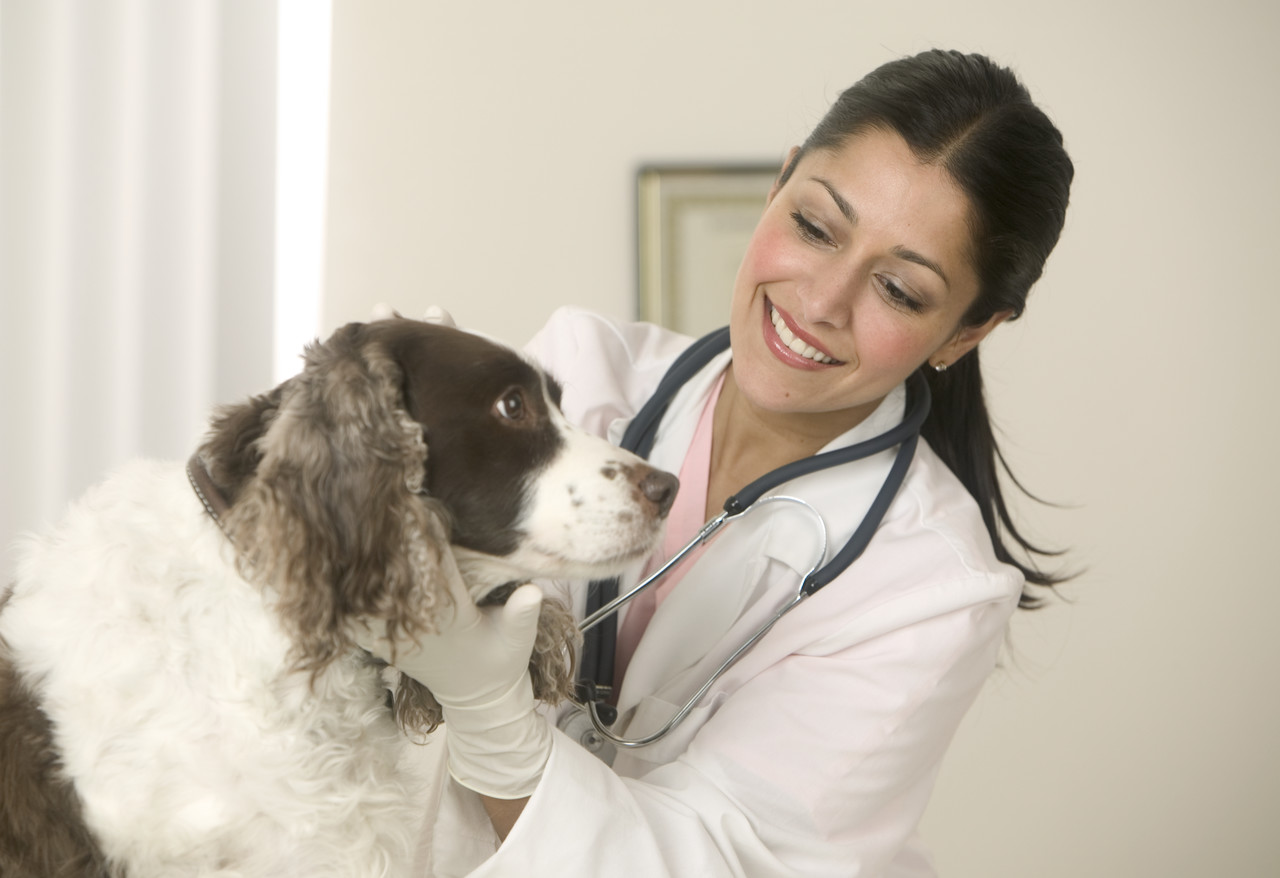
Choosing the right veterinarian for your pet is an important decision. These days there are many more veterinarians to choose from than say 20-years ago. There are specialists vs. general practioners – just like in human medicine. For routine visits, you want to choose a general practioner veterinarian.
Word of mouth is a good referral, but not the only thing you should depend on. If you hear of a vet that a friend of family member likes, do your research. Google the doctor’s name, see what comes up. If you like what you see, make an appointment without your pet to interview the doctor. This is after all the person who will entrust your pet’s health to. If this doctor refuses the interview/appointment, move on. If he or she does agree to it, you should also ask for a tour of the animal hospital while there, (if it’s not offered to you), the doctor should be proud to show you the facility. You would want to see a very clean, neat, well cared for front office and back area, and behind the exam rooms.
Find out if the doctor regularly attends veterinary seminars to keep up with current veterinary practices and standards. If they do not, this is a red flag! Many vets continue old school practices of veterinary medicine which may no longer be up to par with what is available today. Ask the doctor how long your appointment will be with your pet, a good vet will book 1/2 hour appointments, so your pet is thoroughly examined, and you are not rushed out the door. You should walk away feeling educated and informed about your dogs’ health, not with unanswered questions or an uneasy feeling. Ultimately you want to have a comfortable relationship with your veterinarian and know your pet is in good hands. Do your homework, research and keep yourself informed!
Categories
Archives
Blogroll
Meta