




Archive for the ‘pets’ Category
WHY URBAN METAL ISN’T PRECIOUS
by Blair Sorrel, Founder, www.StreetZaps. com
Of course, you want a worry-free walk year-round, so adopt this simple strategy:
EYEBALL THE BLOCK, AVOID A SHOCK.
Take just a few seconds to survey the immediate surroundings and make your trajectory toward a non-conductive surface, ie., plastic, wood, cardboard, rather than risking any metal or electrical fixture. The lowly, free-standing garbage bag, is you and your dog’s best friend, most of the time, unless it’s snowed and salted. Consider the safer, hardware-free RopeNGo leash and harness to help shield against a possible zapping and for greater peace of mind.
CONTACT VOLTAGE DOESN’T DISCRIMINATE BY GENDER.
Your pooch’s sex is irrelevant. True, the most gruesome scenario is that of a male dog electrocuted by its ricocheting urine, but contact voltage is just that, mere interaction with an energized surface. Our poster girl pooch sidled a fire hydrant and limped for five days. Intuit your dog’s cues, if resistant to an area, choose an alternative route. Elude potentially live work areas or carry your canine, if necessary. Opt for indoor products such as Potty Park or Wee-Wee Pads, if external conditions are ominous. Dog booties can leak and make your pooch even more vulnerable.
ARE YOU PLAYING RUSSIAN ROULETTE WITH YOUR DOG?
Any of these fixtures might be dangerous, so again, choose non-conductive where and when possible. (link to home page fixtures listed below and/or the visuals page):
View All StreetZaps’ Home Page & Safety Images
– Street & Traffic Lights can leak if damaged internally, even if the compartment is fully closed and the light is not illuminated
– While wooden blocks anchor Scaffolding or Sidewalk Sheds, be aware that sloppy wiring by a contractor and/or the use of lighting equipment which is NOT WATER- PROOFED or even suitable for outdoor usage, may still shock a passerby.
– ATM Vestibules
– Decorative Lighting
– Dog Booties may increase
the risk of a shock
– Electrical Boxes
– Fire Hydrants
– Fire Police Call Boxes
– Manhole Covers
– Muni Meters
– Phone Booths
– Service Boxes
– Street Light Boxes
– Traffic Boxes
– Work Areas
After all, why chance it when there’s a choice?
BETWEEN YOU, ME, AND THE LAMPPOST.
Tampered equipment can become pernicious so please map (Report Form) damaged fixtures and known hot spots to admonish other pedestrians and alert the utility and transportation department.

by Nancy E. Hassel, LIPetPlace.com
Shelter Misconceptions
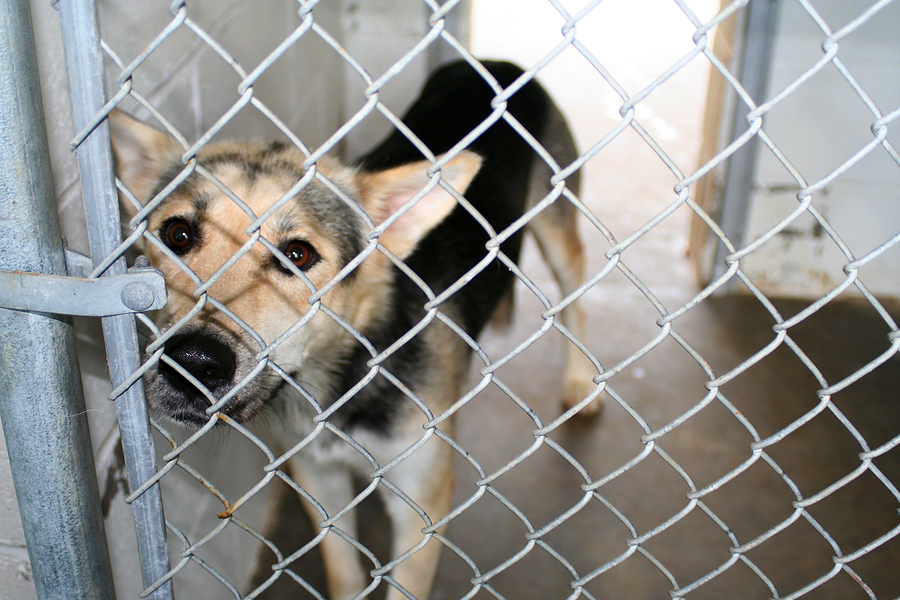
What is the average Long Island animal shelter misconception? To the layman or non-dog owner, most people think they are just loaded with pit bulls or labrabulls, and that is it. While at each shelter you will see both of the above, if you actually go to your town municipal shelter you may be surprised to see a lot of the smaller designer mutts and purebred dogs of every breed. Just recently at the Town of Islip’s adopt-a-thon there were at least 15 – 20 small to medium size dogs, if not more, of all breeds. Our shelters on Long Island are overflowing with dogs, it’s really quite sad. Where do all these dogs come from someone asked? Some are strays, and more than most are turned-in by their owners – discarded like yesterday’s garbage, someone else’s problem now. No one wants to think about that, or how lazy a person can be not giving that animal a chance. Many dogs are turned in because of a behavioral problem like not being fully house broken, or a 6-month old puppy that is chewing, duh!
Another shelter misconception is that all the animals there are unruly, not trained, aggressive or sick. Many of our municipal and private shelters have amazing volunteers that give their time to help walk, socialize and do a bit of training with the pets housed there. These wonderful volunteers, many times make the difference that pet needed, and helps them get adopted quicker. If a pet is sick, the majority of our shelters vet the pets, give them the necessary vaccinations and medical attention that animal needs.
So what is your shelter misconception? If you ‘re thinking about getting a dog and feared going to the shelter because it’s too sad or for any of the above reasons, I challenge you to go to your local shelter and see what it is really like. You might just fall for a beautiful pit bull with an amazing personality, and surprise yourself. Or find that mutt that captures your heart.
Suggestion: Take the time to meet a few of the dogs’ in the shelter’s meet and greet rooms, instead of just walking the isles. Many dogs’ personalities shine through better when out of their kennel run. If the shelter has a volunteer staff, ask them about the dog, what they are like, behavior etc. – they will be able to tell you.
Did you know: That black dogs and older dogs are the most likely to not to get adopted, to get passed by, to possibly not make it out of the shelter. Now think if that dog is black, is part or full pit bull and 4 or 5 years old, not good odds. Adopting and older dog, and a black one, could be the best thing you ever do!

by Nancy E. Hassel, LIPetPlace.com
We all hear about Spring Fever, but for many animals and pets, Fall Fever is much more appropriate. After this long and very hot summer we have had, the cool weather is a welcome break for us humans; you can only imagine how much our four legged friends in their fur coats are loving it. Many pets may be much calmer or less hyper when it is really hot outside and prefer the air conditioning inside. My own dog goes through some serious ‘fall fever’ this time of year, he just can’t get enough of the cool weather. So if you are new to pet ownership, or got a pet over the summer and don’t understand why your pet may be suddenly acting ‘crazy’ – or just has a lot more pep – the change in the season could very well be why.
Keep in mind while our schedules may get more sedentary due to less sunlight during the day, some pets tend to have more energy. As a pet owner realizing this is the first step in the right direction to keeping your pet happy during this change of season. Pets feeling the relief of the cooler weather may need longer play time, for a dog it could be a longer walk or a longer ride if you own a horse. Also understand sometimes their internal clock could change with the seasons. My own dog likes to eat earlier during the cooler months, more like an early bird special for him in the late fall and throughout the winter – and this happens literally the day we turn the clocks back.
While it starts to get dark out earlier, here are some things to consider for pet and owner safety:
- Make sure you dog and cat both have proper ID tags on their collars and think about investing in a reflective collar for your pet for night time walking. Also make sure the collar is on correctly. For owners reflective gear is important too, as many streets don’t have adequate lighting or may not have sidewalks, a great choice is the Walk Me Wear Reflective Cap created by a local Long Islander and made in the USA. www.walkmewear.com.
- Don’t use retractable leashes at night. The fact that you will not really be able to see how far your pet has ventured out on the leash in the dark – a car is definitely not going to see that line in the dark. Always use a sturdy leather or cotton 6-foot leash. If you are in a really dark area, bring a flashlight with you so you can see where you are walking and where your pet is. (Or if there are any wild animals, raccoons, deer, opossum, wandering around). Check your pets paws when you get back inside – you never know if there is broken glass or anything else they may have stepped on in the dark that could be harmful.
- Have a pet first aid kit at home and in your car. This way if your pet suffers from a minor scrap or cut due to exuberant play, you can tend to it immediately. A pet first aid kit in your car is especially important if you decide to take your pet on a leaf peeping hike, maybe in a new location where you don’t know they terrain all that well.
Most of all take advantage of the cooler weather to take your pet out for a longer walk – because before you know we will have snow on the ground!

by Nancy E. Hassel, LIPetPlace.com
Did you know that October is “Adopt a Shelter Dog Month?” In October we shine a light on the many living souls stuck in shelters waiting for a glance by a passer by, a chance to be noticed and saved. Many of our municipal shelters across Long Island are packed full of dogs having anywhere from 50 dogs to 200 dogs waiting for homes. While many of the shelters have wonderful volunteers walking the dogs and working tirelessly to help get dogs adopted – dogs are still relinquished for various (mostly absurd) reasons daily. Recently at a local free rabies clinic, I witnessed over 150 dogs go by, within an hour, with owners doing the right thing, by getting their dogs vaccinated for rabies, however I did not see one male dog go by that was neutered, not one. This was a day long event and I was just there for an hour, so you can imagine how many dogs passed through that day that were not spayed or neutered. While I am sure this goes to no surprise for those working in the shelters, and our local non-profit groups, I was surprised to see that many in such a small amount of time. One can only imagine that some of these pets will eventually add to our shelter population.
Adopting a shelter dog, as many people who have done so will tell you, the dog “knows” they are in a better place. It may sound silly to the non-dog owner, but it is true. Many shelter dogs, going from a loud noisy shelter with hard cold, wet, concrete floors – seem to show their appreciation once in a home. The bond between a rescued dog and the new pet parent is undeniable. So the next time you walk through the mall and see those cute, who knows where they came from, puppies on display for sale, think about the scared, lonely puppy in a shelter wondering how and why it got there. Think seriously about adopting a dog – not buying one from a store for a ridiculous amount of money. If you go to your local shelter and don’t see what you want, tell the staff in the front or shelter director what you are looking for and give them your name and contact information – unfortunately new dogs come in daily. We have so many great non-for-profit rescues and shelters on Long Island you are bound to find a breed you are looking for. And many of the popular designer mutts – while cute – end up in the shelter too. There are many designer ‘Labrabulls’ now in shelters too. If you are looking for a purebred dog, many shelters are loaded with all kinds of pure breeds. There is nothing wrong with wanting the breed you want, but today you more than likely can find that in a shelter or rescue very easily. Adopting a shelter dog will change the life of the dog or puppy you adopt and will most likely save the life of another dog – and will change your life for the better.
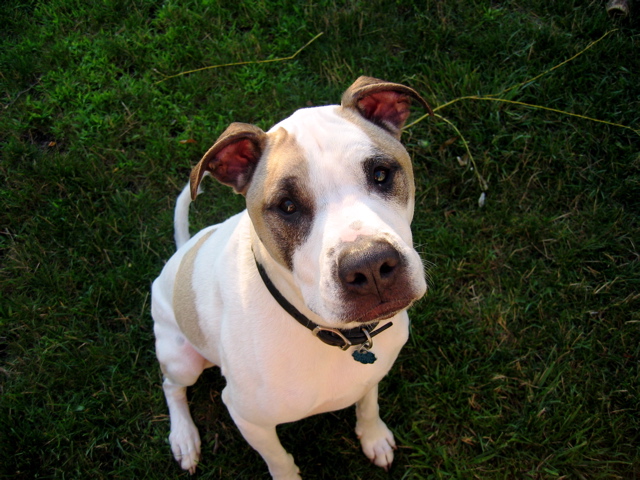
Here is Max (Maximus) who I adopted 9-years ago this month when he was just 3 and ½ months old. Aww what a good boy!
By Nancy E. Hassel, LIPetPlace.com
Life saving pet first aid course
What do you do if your dog or cat is choking or not breathing? Or if your pet needs first-aid immediately but you are no where near a veterinarians office? Often times as pet owners we don’t even consider these things in our daily lives, but injuries and emergency situations can and do happen to our pets. It’s better to be prepared and know what to do for your pet’s sake. Luckily for pet owners here on Long Island and in Queens and Brooklyn we have a certified Pet CPR and First Aid instructor that proactively offers classes teaching life saving techniques and first aid for pets. Robyn Elman, who is also the President of In Home Pet Services, Inc., (http://www.inhomepetservices.com/), is the only certified ‘Pet Tech’ Instructor in the Tri-state area is offering these classes to pet owners, pet professionals, and anyone that wants to learn these very important pet life saving procedures.
Robyn said, “It is so important for not only pet industry professionals to learn Pet first Aid & CPR, but also first responders like police officers and firemen and women. Often times a pet may not survive an emergency situation because the people initially tending to them may not know what to do. According to the American Animal Hospital Association, 1 out of 4 pets would survive if just one pet first aid technique was applied prior to getting the pet to emergency veterinary hospital.” Robyn is certified by Pet Tech National Training Center based in Carlsbad, CA and works with different pet organizations and businesses throughout Queens, Long Island, NYC and other boroughs. Robyn has been teaching these classes for over 3-years.
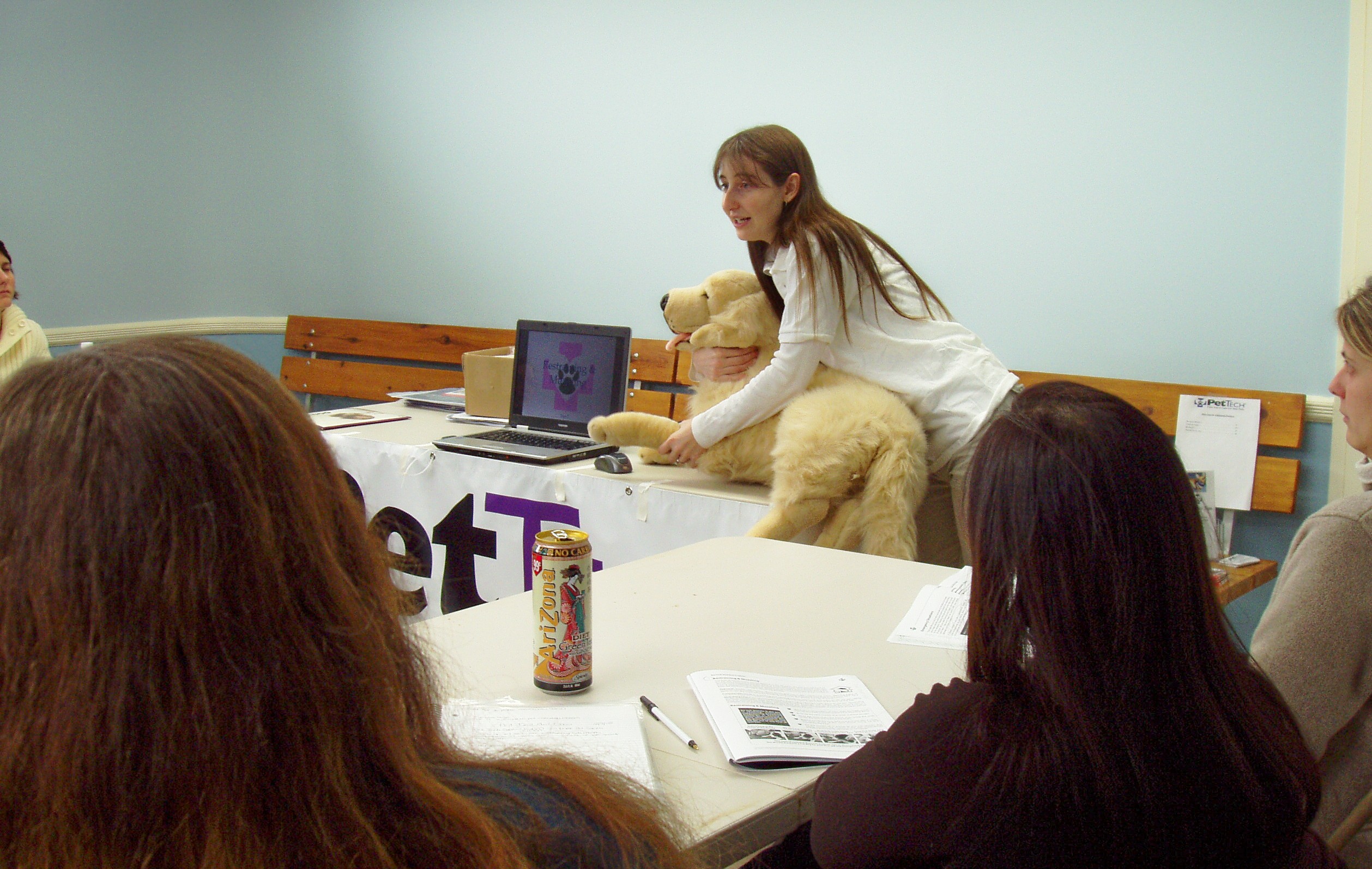
Using a life sized stuffed animal dog, this class will teach participants how to: restrain an injured or ill pet; CPR and rescue breathing; bleeding injuries; heat and cold element injuries; bandaging; insect bites and much more. As a way to give back, Robyn offers a portion of the proceeds from the class to non-for-profit animal organizations that want to be involved. Pet owners in the area are in luck because the next class will be offered this Saturday, October 2nd from 9:30 am – 1:30 pm at Best In Show Pet Resort in Mineola, (244 Herricks Road Mineola, NY 11501). Robyn is thrilled to once again be working with Pet Safe Coalition (www.petsafecoalition.org) for this class and a portion of the proceeds of the class will go to this very important Long Island pet organization. A recent class participant said this, “The instructor was great, and the material really covered a lot of subjects. We even practiced CPR on the stuffed animals. I would reccomend it to any pet owner,” stated Alice Laby.
To register for this class, individuals can call (718) 347-7387 or send a check or money order for $85.00 payable to In Home Pet Services, Inc. and mail to: 88-25 247th Street, Bellerose, NY 11426 – or pay cash at the door – but registration is necessary. Each participant will receive a take-home reference manual and a certificate that they completed the course valid for 2-years. For more information about this course or about In Home Pet Services, go to: www.inhomepetservices.com.
Categories
Archives
Blogroll
Meta