




WHY URBAN METAL ISN’T PRECIOUS
by Blair Sorrel, Founder, www.StreetZaps. com
Of course, you want a worry-free walk year-round, so adopt this simple strategy:
EYEBALL THE BLOCK, AVOID A SHOCK.
Take just a few seconds to survey the immediate surroundings and make your trajectory toward a non-conductive surface, ie., plastic, wood, cardboard, rather than risking any metal or electrical fixture. The lowly, free-standing garbage bag, is you and your dog’s best friend, most of the time, unless it’s snowed and salted. Consider the safer, hardware-free RopeNGo leash and harness to help shield against a possible zapping and for greater peace of mind.
CONTACT VOLTAGE DOESN’T DISCRIMINATE BY GENDER.
Your pooch’s sex is irrelevant. True, the most gruesome scenario is that of a male dog electrocuted by its ricocheting urine, but contact voltage is just that, mere interaction with an energized surface. Our poster girl pooch sidled a fire hydrant and limped for five days. Intuit your dog’s cues, if resistant to an area, choose an alternative route. Elude potentially live work areas or carry your canine, if necessary. Opt for indoor products such as Potty Park or Wee-Wee Pads, if external conditions are ominous. Dog booties can leak and make your pooch even more vulnerable.
ARE YOU PLAYING RUSSIAN ROULETTE WITH YOUR DOG?
Any of these fixtures might be dangerous, so again, choose non-conductive where and when possible. (link to home page fixtures listed below and/or the visuals page):
View All StreetZaps’ Home Page & Safety Images
– Street & Traffic Lights can leak if damaged internally, even if the compartment is fully closed and the light is not illuminated
– While wooden blocks anchor Scaffolding or Sidewalk Sheds, be aware that sloppy wiring by a contractor and/or the use of lighting equipment which is NOT WATER- PROOFED or even suitable for outdoor usage, may still shock a passerby.
– ATM Vestibules
– Decorative Lighting
– Dog Booties may increase
the risk of a shock
– Electrical Boxes
– Fire Hydrants
– Fire Police Call Boxes
– Manhole Covers
– Muni Meters
– Phone Booths
– Service Boxes
– Street Light Boxes
– Traffic Boxes
– Work Areas
After all, why chance it when there’s a choice?
BETWEEN YOU, ME, AND THE LAMPPOST.
Tampered equipment can become pernicious so please map (Report Form) damaged fixtures and known hot spots to admonish other pedestrians and alert the utility and transportation department.

by Nancy E. Hassel, LIPetPlace.com
Shelter Misconceptions
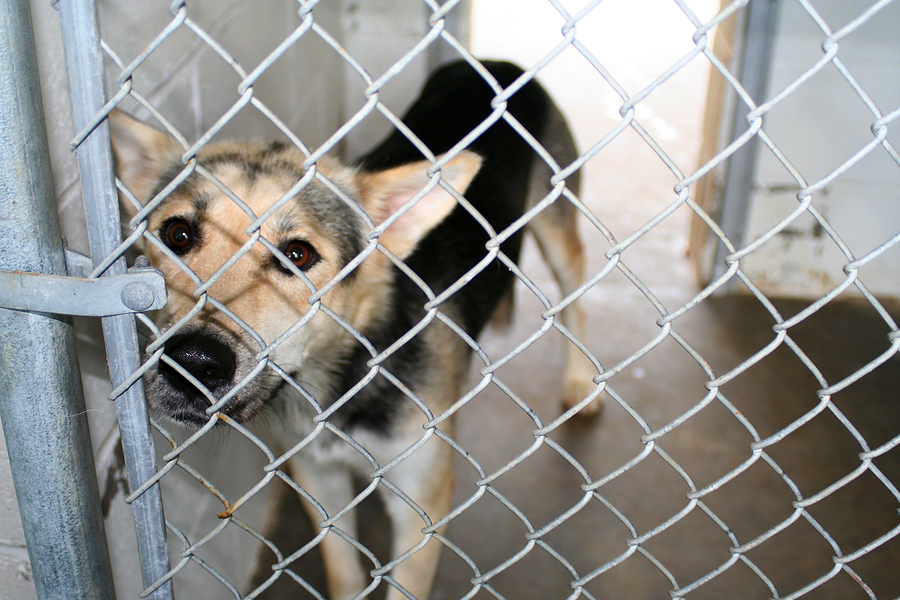
What is the average Long Island animal shelter misconception? To the layman or non-dog owner, most people think they are just loaded with pit bulls or labrabulls, and that is it. While at each shelter you will see both of the above, if you actually go to your town municipal shelter you may be surprised to see a lot of the smaller designer mutts and purebred dogs of every breed. Just recently at the Town of Islip’s adopt-a-thon there were at least 15 – 20 small to medium size dogs, if not more, of all breeds. Our shelters on Long Island are overflowing with dogs, it’s really quite sad. Where do all these dogs come from someone asked? Some are strays, and more than most are turned-in by their owners – discarded like yesterday’s garbage, someone else’s problem now. No one wants to think about that, or how lazy a person can be not giving that animal a chance. Many dogs are turned in because of a behavioral problem like not being fully house broken, or a 6-month old puppy that is chewing, duh!
Another shelter misconception is that all the animals there are unruly, not trained, aggressive or sick. Many of our municipal and private shelters have amazing volunteers that give their time to help walk, socialize and do a bit of training with the pets housed there. These wonderful volunteers, many times make the difference that pet needed, and helps them get adopted quicker. If a pet is sick, the majority of our shelters vet the pets, give them the necessary vaccinations and medical attention that animal needs.
So what is your shelter misconception? If you ‘re thinking about getting a dog and feared going to the shelter because it’s too sad or for any of the above reasons, I challenge you to go to your local shelter and see what it is really like. You might just fall for a beautiful pit bull with an amazing personality, and surprise yourself. Or find that mutt that captures your heart.
Suggestion: Take the time to meet a few of the dogs’ in the shelter’s meet and greet rooms, instead of just walking the isles. Many dogs’ personalities shine through better when out of their kennel run. If the shelter has a volunteer staff, ask them about the dog, what they are like, behavior etc. – they will be able to tell you.
Did you know: That black dogs and older dogs are the most likely to not to get adopted, to get passed by, to possibly not make it out of the shelter. Now think if that dog is black, is part or full pit bull and 4 or 5 years old, not good odds. Adopting and older dog, and a black one, could be the best thing you ever do!

by Nancy E. Hassel, LIPetPlace.com
Did you know that October is “Adopt a Shelter Dog Month?” In October we shine a light on the many living souls stuck in shelters waiting for a glance by a passer by, a chance to be noticed and saved. Many of our municipal shelters across Long Island are packed full of dogs having anywhere from 50 dogs to 200 dogs waiting for homes. While many of the shelters have wonderful volunteers walking the dogs and working tirelessly to help get dogs adopted – dogs are still relinquished for various (mostly absurd) reasons daily. Recently at a local free rabies clinic, I witnessed over 150 dogs go by, within an hour, with owners doing the right thing, by getting their dogs vaccinated for rabies, however I did not see one male dog go by that was neutered, not one. This was a day long event and I was just there for an hour, so you can imagine how many dogs passed through that day that were not spayed or neutered. While I am sure this goes to no surprise for those working in the shelters, and our local non-profit groups, I was surprised to see that many in such a small amount of time. One can only imagine that some of these pets will eventually add to our shelter population.
Adopting a shelter dog, as many people who have done so will tell you, the dog “knows” they are in a better place. It may sound silly to the non-dog owner, but it is true. Many shelter dogs, going from a loud noisy shelter with hard cold, wet, concrete floors – seem to show their appreciation once in a home. The bond between a rescued dog and the new pet parent is undeniable. So the next time you walk through the mall and see those cute, who knows where they came from, puppies on display for sale, think about the scared, lonely puppy in a shelter wondering how and why it got there. Think seriously about adopting a dog – not buying one from a store for a ridiculous amount of money. If you go to your local shelter and don’t see what you want, tell the staff in the front or shelter director what you are looking for and give them your name and contact information – unfortunately new dogs come in daily. We have so many great non-for-profit rescues and shelters on Long Island you are bound to find a breed you are looking for. And many of the popular designer mutts – while cute – end up in the shelter too. There are many designer ‘Labrabulls’ now in shelters too. If you are looking for a purebred dog, many shelters are loaded with all kinds of pure breeds. There is nothing wrong with wanting the breed you want, but today you more than likely can find that in a shelter or rescue very easily. Adopting a shelter dog will change the life of the dog or puppy you adopt and will most likely save the life of another dog – and will change your life for the better.
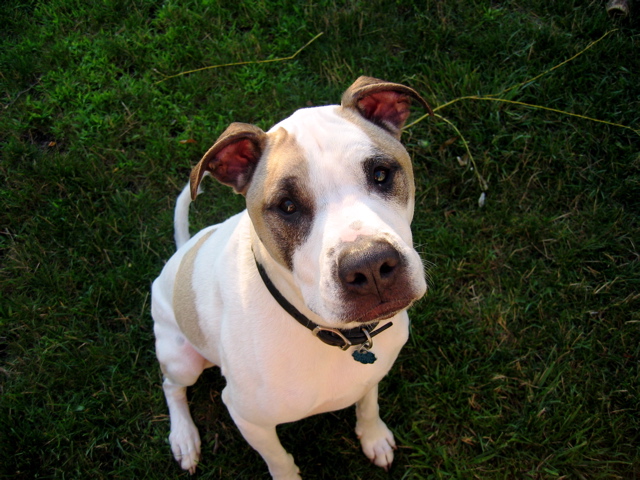
Here is Max (Maximus) who I adopted 9-years ago this month when he was just 3 and ½ months old. Aww what a good boy!
By Nancy E. Hassel, LIPetPlace.com
Back to School & your pet
So it’s that time of year again, for some parents the most wonderful time of year when kids head back to school. But maybe this summer you got a new puppy, kitten or “Hammy” the Hampster, which will no longer get full time love and attention from your children. Pets can feel depressed and sad when a routine they have become accustomed to suddenly changes. Parents also want to make sure with schedule changes and extra curricular activities, that your children who begged you for a pet don’t forget their responsibilities.
A few tips to help keep the household running smoothly, pets happy, kids on their busy schedules are:
- Have a child care chart posted for each pet, and each child so they know what day they have responsibility for what pet.
- Hire a pet sitter or dog walker, but don’t tell your child! You don’t want them to slack off knowing the dog may have already been walked that day or hamster or bird cage might have been cleaned earlier.
- Set aside play time each day for your pet. In other words, make sure your children know at this particular time of the day the pet gets training time, play time, or walked with your kids. Otherwise neglected pets, especially dogs that were doing great with training i.e. not chewing, or no longer having accidents in the house, may revert to doing so due to lack of attention, not spite.
- Have a family meeting so everyone is on the same page as to what their pet care responsibilities are.
- Set a schedule. Try to keep the pets schedule as much as possible the same as it was over the summer, feeding, walking, etc. Making some adjustments, earlier wake up time, feeding time, etc. and the pet will quickly grow accustomed to the new schedule if it is done on a consistent basis by all family members.
- Meet with a dog trainer if your dog starts acting out once their is less attention on them.
A responsible, caring and dedicated owner is not that hard to be today. We are lucky in this day and age there are so many professional pet sitters and pet experts available, pet knowledge at our fingertips, free courses and more, for families to learn about responsibilities of being a pet parent. Being a pet parent, whether the pet is a family pet or an individual child’s responsibility should be taken seriously and not frivolously. Most children find the experience very rewarding, loving and caring for another living being. Make the back to school transition easy for all family members, two-legged and four-legged ones easy – have a family meeting tonight!

By Nancy E. Hassel, LIPetPlace.com
Pets & Hurricane Safety
With Hurricane Earl churning up the sea and seems to be heading towards the US coastline, it brings the question to light, “what would I do in a disaster with my pet? Where would I go? Can my pet come with me to a shelter?” Being and island without a real “escape” route in case of a natural disaster like a hurricane or bad Nor’easter this is something all Long Island pet owners should be aware of.
In Suffolk County we are fortunate that if there was a natural disaster there are 3 dedicated spaces that are pet-friendly emergency shelters – acting as a safe haven that could house dogs, cats, birds and their owners in case of evacuation in a disaster.
In the wake of Hurricane Katrina in 2005, Suffolk County Executive Steve Levy made sure that people would have a place to go to with their pets. It would depend on what shelter would open, in regards to where the disaster happened. In other words, if the disaster happened on the East End, then a space near Yapank would open, and if it was in Smithtown one close to that area would open. You can find out more information about Suffolk County by going to their Office of Emergency Management here: http://suffolkcountyny.gov/departments/firerescue.aspx and useful pet information here: http://suffolkcountyny.gov/Home/departments/firerescue/Office%20of%20Emergency%20Management/Information%20for%20Pet%20Owners.aspx
Unfortunately in Nassau, there are not any dedicated pet-friendly emergency shelters at the moment. However, there is a non-for-profit organization called Pet Safe Coalition, Inc. (http://www.petsafecoalition.org/) who is working to help educate the public and help pet owners keep pets safe when a disaster strikes. They are also raising awareness about pet safety in disasters and provide informational resources to public officials.
“Sheltering plans in disasters will accommodate only a fraction of the pet population in Nassau County so the most important thing an individual pet owner can do is to make plans for their own pets,” said Nancy Lynch President, of Pet Safe Coalition.
Things all Long Island pet owners should do in advance of any emergency or natural disaster is have a proper collar on your dog or cat with ID, have a pet first aid kit in your car and home with at least a weeks worth of pet food, canned is best, keep an extra leash and collar with ID in your car for each pet, (or with the pet first aid kit), in case you have to get out in a hurry and your pet doesn’t have their collar on. You should also have an in-case of fire or emergency sticker on your front door or window stating how many pets are inside and what type. This way if you were not home, neighbors or emergency officials will know there may be a pet inside.
Nancy Lynch also added to the following plans pet owners should make: 1.) Ask friends, relatives, breed club members, groomers, trainers or others outside the affected area whether they could shelter your animals. 2.) Contact hotels and motels outside of your immediate area to check policies on accepting pets. Ask if a no pet policy could be waived in a disaster. 3.) Make sure your pet is a more welcome guest by having a crate and carrier for each animal. 4.) As hurricane approaches call ahead to confirm emergency shelter arrangements and get directions. 5.) Don’t wait until the last minute to evacuate. Make sure your gas tank is full and bring your cell phone and car charger. And develop a plan and practice it.
Also if you are heading to the beach within the next few days to check out the surf, and plan on bringing your dog with you, be to keep him or her leashed. Waves in general can be dangerous for any dog and with rip tides and pounding waves – dogs don’t know not to go in the water. Be a responsible dog owner, and please keep Bella or Max on a leash for their safety.

Waves from a past storm out at sea.
Categories
Archives
Blogroll
Meta